

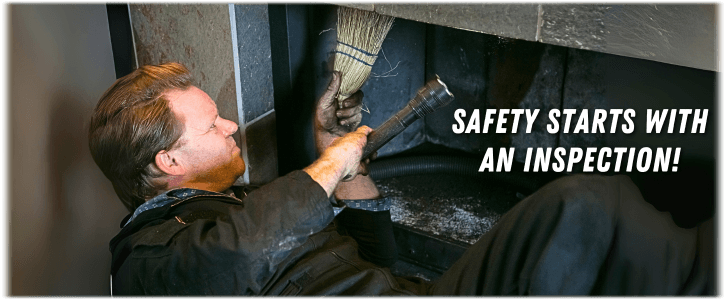
Protecting your home begins with scheduling a chimney inspection in New Orleans, LA before seasonal fireplace use increases. Gulf Coast humidity, heavy rainfall, and shifting soil gradually weaken masonry structures. As a result, hidden damage often develops inside the flue or crown. A professional chimney inspection in New Orleans, LA helps identify early problems and protects your property from costly structural repairs.
Why Homeowners Schedule Chimney Inspection in New Orleans, LA
New Orleans weather places constant stress on chimney systems. Because moisture penetrates brick and mortar, small cracks expand quickly. Therefore, routine inspections play a critical role in long-term safety.
Our inspection process evaluates every visible and concealed component. First, we assess exterior masonry and flashing. Next, we examine the flue liner and smoke chamber. Then, we check for blockages or ventilation issues.
Whether you live in Uptown, Lakeview, Gentilly, or the Garden District, your chimney faces similar environmental exposure. Consequently, proactive maintenance prevents structural deterioration.
Trusted Experts for Chimney Inspection in New Orleans, LA
Older homes in the French Quarter often contain aging brickwork and historic fireplaces. Meanwhile, newer residences in Algiers and Metairie feature modern chimney construction. Therefore, each inspection requires careful evaluation tailored to the property.
Our team identifies moisture intrusion, liner damage, and crown deterioration. In addition, we document structural weaknesses before they escalate. Because early detection reduces repair costs, homeowners benefit from timely service.
New Orleans homeowners rely on our experience for accurate reporting and honest recommendations. Moreover, we explain findings clearly so you understand every concern.
Preventing Long-Term Damage Through Routine Inspections
Ignoring chimney issues often leads to internal water damage and compromised structural integrity. Over time, mortar joints deteriorate and bricks loosen. Eventually, safety hazards increase.
Routine chimney cleaning removes soot buildup that restricts airflow. Fireplace cleaning improves ventilation and supports safer operation. Additionally, fireplace repair addresses damaged components discovered during inspections.
Because New Orleans experiences frequent storms and high humidity, regular evaluations remain essential. Therefore, scheduling annual service protects both your home and family.
Local Knowledge Makes a Difference
New Orleans properties often include raised foundations and unique architectural details. As a result, chimney systems experience uneven settlement over time. Soil movement combined with moisture exposure creates additional stress.
Our chimney services address these local factors directly. We inspect flashing around rooflines carefully. We also evaluate how heavy rain affects structural stability. Consequently, your system receives thorough attention from top to bottom.
With detailed inspections and accurate assessments, we help homeowners make informed decisions about maintenance and repair planning.
Schedule Your Chimney Inspection Today
Waiting too long to inspect your chimney increases the risk of costly damage. Because New Orleans weather accelerates deterioration, early evaluation protects your investment. Call (504) 420-3488 now to schedule your chimney inspection in New Orleans, LA and secure your home with a professional chimney inspection in New Orleans, LA.
Frequently Asked Questions
How often should I schedule a chimney inspection?
Homeowners should schedule a professional evaluation at least once per year to maintain structural safety and proper ventilation.
What does a chimney inspection include?
An inspection evaluates masonry, flashing, flue liners, ventilation pathways, and overall structural integrity to detect hidden issues.
Is chimney inspection in New Orleans, LA necessary every year?
Yes. Annual chimney inspection in New Orleans, LA identifies moisture damage, structural weaknesses, and ventilation concerns before they become serious hazards.